
The psychology of winning at casinos is deeply rooted in our understanding of risk and reward. Players are often drawn to the allure of potential winnings, which can create a dopamine rush similar to that experienced during other high-stakes situations. This sense of excitement can lead players to engage more deeply with games, increasing their chances of making impulsive decisions that might not align with their long-term financial goals. If you’re eager to enhance your gaming experience, you can find out more here.

Furthermore, the thrill of risk-taking can often overshadow the reality of odds and probabilities. Many players approach games with a sense of optimism, believing that they can outsmart the house. This belief, fueled by short-term wins, reinforces the desire to continue playing despite the underlying statistical disadvantage inherent in casino games.
Cognitive biases play a significant role in how players perceive their chances of winning. For instance, the “gambler’s fallacy” leads many to believe that past outcomes influence future events. A player who has experienced a losing streak may bet more, thinking a win is “overdue.” This misunderstanding of probability can result in substantial losses, as each game is an independent event with fixed odds.
Moreover, the concept of “illusion of control” affects many gamblers. Players often believe they can influence outcomes through skill or strategy, especially in games like poker or blackjack. This illusion can provide a psychological edge, allowing players to feel empowered even when they are operating under unfavorable odds.
The environment within a casino is meticulously designed to enhance the gaming experience and influence player behavior. Bright lights, engaging sounds, and the presence of other excited players create an atmosphere that stimulates emotions and encourages gambling. This sensory overload can lead to disorientation, making it difficult for players to make rational decisions regarding their bets.
Additionally, the layout of a casino is strategically planned to maximize exposure to games, ensuring that players are constantly tempted to engage. The placement of slot machines, tables, and other gaming options plays on the psychological aspect of accessibility, making it easy for individuals to lose track of time and money as they immerse themselves in the lively and dynamic environment.
Emotions significantly influence decision-making processes in gambling scenarios. Players often experience highs and lows reminiscent of rollercoaster rides, which can lead to impulsive betting behavior. Winning can create a sense of invincibility, prompting players to wager more than they typically would, while losses may lead to chasing strategies, where they attempt to recoup losses through additional betting.
Understanding these emotional triggers is crucial for those who wish to gamble responsibly. By recognizing when emotions may cloud judgment, players can implement strategies to regulate their behavior and make more calculated choices, ultimately enhancing their enjoyment and minimizing potential negative consequences.
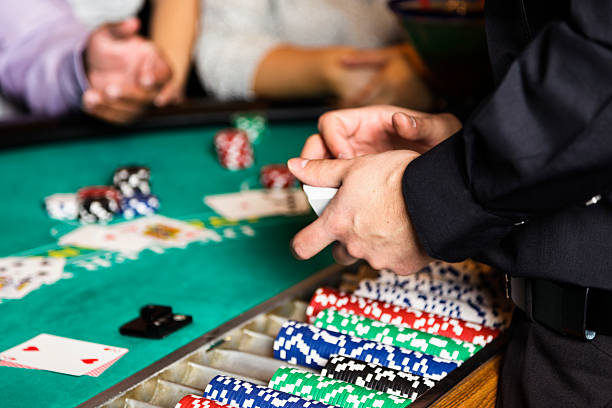
At our website, we are dedicated to providing in-depth insights into the world of casinos and gambling psychology. Our aim is to equip players with the knowledge needed to understand their behaviors and make informed decisions while enjoying their gaming experiences.
Whether you are a casual player or a serious gambler, our resources strive to enhance your understanding of how psychological factors can influence your success at casinos. Join us to explore a wealth of information designed to promote responsible gaming and maximize your enjoyment of the casino experience.